
Table of Contents
Walking through New York should not feel dangerous, especially when you are using a marked crosswalk. Yet pedestrian accidents happen every day, leaving people with life-changing injuries.
While many people assume the driver is automatically at fault, liability is not always obvious. It often depends on what happened in the moments before the collision.
Pedestrian Accident Liability in New York
Most pedestrian accidents arise out of negligence. Negligence means someone failed to act with the level of care that a reasonably careful person would have exercised under the same circumstances. In a pedestrian case, negligence can occur when:
- The driver was speeding.
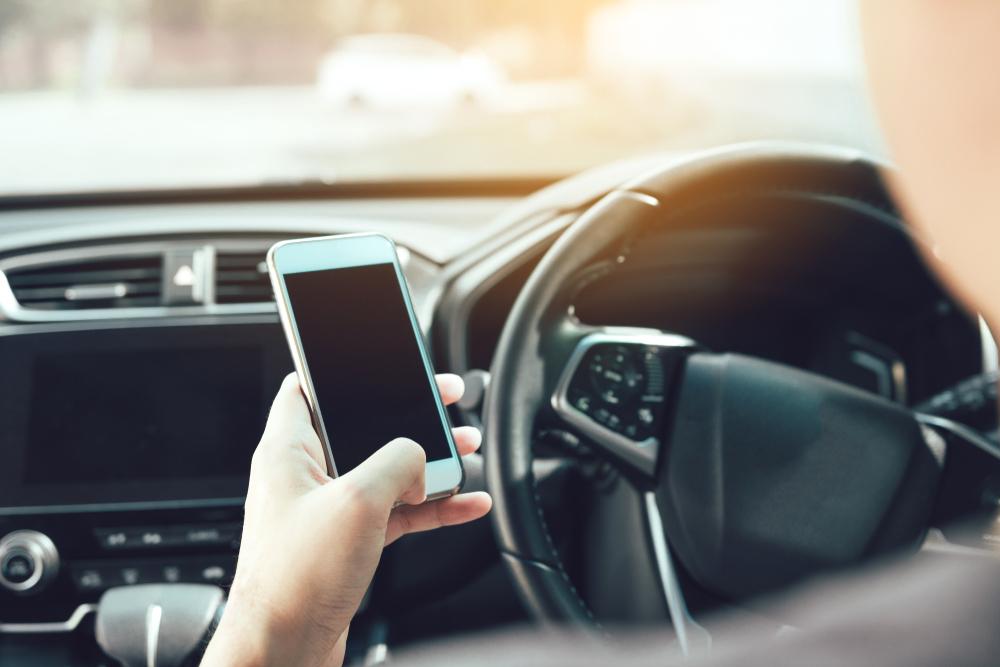
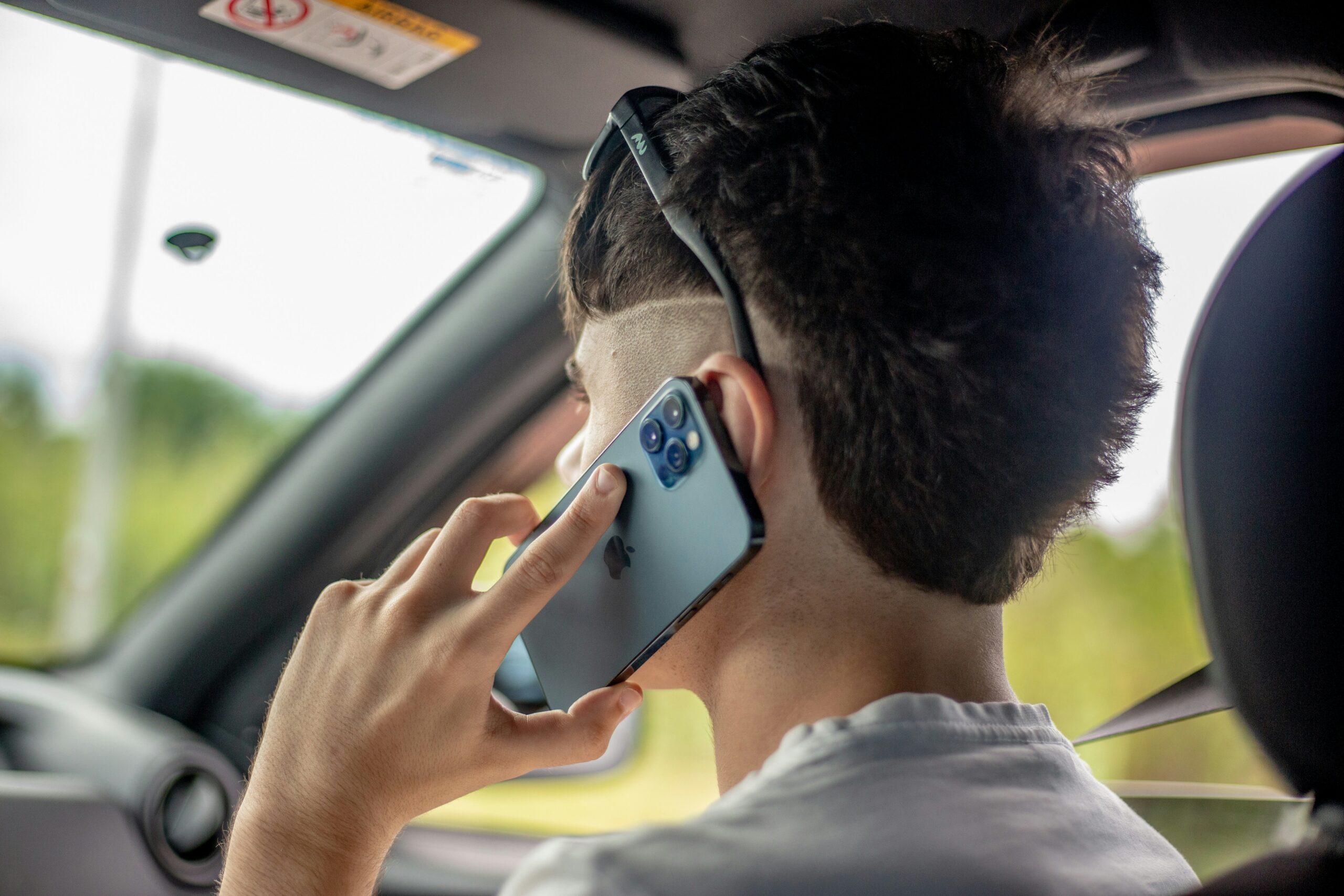
- The driver was distracted by a phone, GPS, or something inside the vehicle.
- The driver ignored traffic signs or signals.
- The driver failed to yield to a pedestrian who had the right of way.
- The driver was impaired by alcohol, drugs, or fatigue.
At the same time, a pedestrian may also be negligent. This can happen if they cross against a signal, step into traffic outside a crosswalk, or walk while distracted.
When Can a Driver Be Held Liable?
Drivers owe a duty of care to all road users, including pedestrians. New York Vehicle and Traffic Law §1151 specifically requires drivers to yield the right of way to pedestrians in marked and unmarked crosswalks. A driver may be held liable when their carelessness or recklessness leads to a collision, including when they:
- Fail to yield at a crosswalk or intersection
- Speed through pedestrian-heavy areas
- Drive while distracted by a phone or GPS
- Run red lights or stop signs
- Make unsafe turns without checking for pedestrians
- Drive while impaired or fatigued
- Fail to keep a proper lookout
Even when a pedestrian is not inside a marked crosswalk, drivers are still expected to exercise reasonable care to avoid hitting someone.
Can a Pedestrian Share Responsibility?
Yes. A pedestrian may share responsibility if their actions contributed to the accident. Examples include:
- Crossing against a traffic signal
- Stepping into traffic unexpectedly
- Crossing outside a designated crosswalk
- Walking while distracted by a phone or headphones
Sharing responsibility does not automatically prevent you from recovering compensation, but the amount you recover will be reduced by your percentage of fault, and under the new motor vehicle rule, you cannot be more at fault than the driver.
Other Parties May Also Be Liable
Not every pedestrian accident involves only a driver and the pedestrian. In many cases, liability extends to other parties, such as:
- The driver’s employer, if the driver was on the job at the time of the crash (delivery drivers, rideshare drivers, commercial vehicle operators). Under Vehicle and Traffic Law §388, the vehicle owner is also vicariously liable when someone drives with their permission.
- The vehicle owner, when the driver and owner are different people.
- A government agency, when dangerous road conditions, malfunctioning traffic signals, missing pedestrian signs, or defective crosswalk design contributed to the accident.
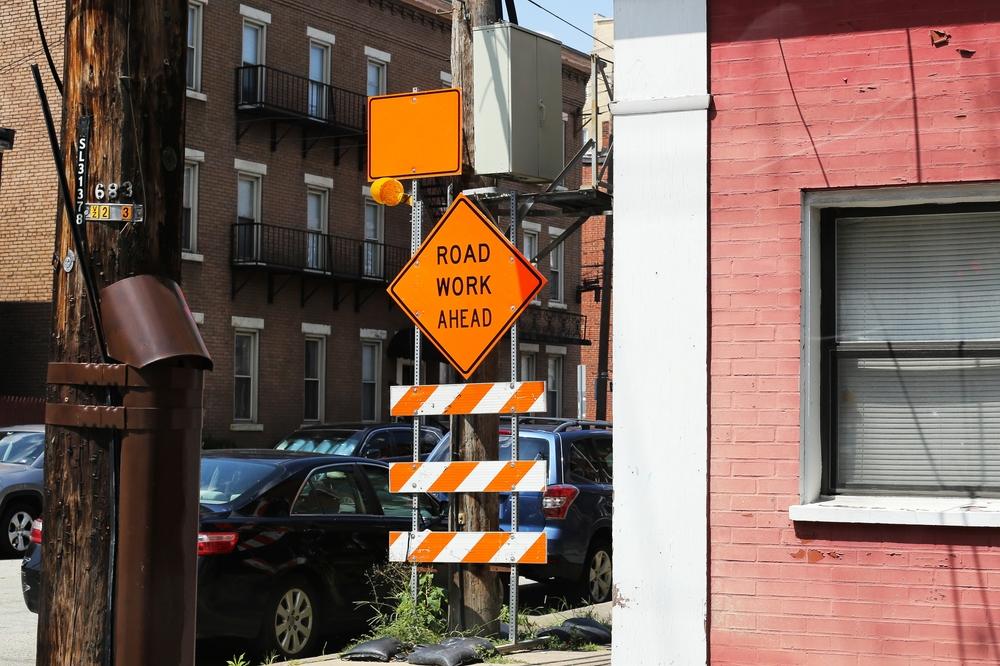
- A construction company or contractor, when scaffolding, sidewalk sheds, or obstructions forced pedestrians into the roadway.
- A vehicle manufacturer, when a defective component (such as failed brakes or an unintended acceleration issue) played a role.
Claims against the City of New York or other public entities are subject to a strict 90-day Notice of Claim deadline. Missing that deadline can permanently bar your case, which is why it is important to contact an attorney quickly.
Common Injuries in Pedestrian Accidents
Pedestrians have no seat belts, no airbags, and no metal frame between them and the vehicle. Even at low speeds, injuries are often severe and can include:
- Traumatic brain injuries and concussions
- Spinal cord injuries and paralysis
- Broken bones, especially of the legs, hips, and pelvis
- Internal organ damage
- Severe road rash and lacerations
- Amputations
- Wrongful death
Compensation Available to Injured Pedestrians
In New York, an injured pedestrian struck by a motor vehicle is generally entitled to no-fault benefits through the vehicle’s insurance policy, regardless of who was at fault. These benefits cover medical expenses and a portion of lost wages up to statutory limits. If the injury meets New York’s “serious injury” threshold under Insurance Law § 5102(d), you may also pursue a personal injury lawsuit against the at-fault driver for additional compensation, which can include:
- Past and future medical expenses beyond no-fault limits
- Past and future lost income and reduced earning capacity
- Pain and suffering (subject to statutory limits)
- Loss of enjoyment of life
- Rehabilitation and long-term care costs
- Wrongful death damages when a loved one is killed
How Do You Prove Fault?
Determining liability involves far more than the information in a police report. An experienced pedestrian accident attorney will conduct a thorough investigation, which often includes:
- Reviewing surveillance footage from nearby businesses, traffic cameras, and dashcams
- Examining physical evidence such as skid marks, vehicle damage, and pedestrian impact points
- Interviewing witnesses before their memories fade
- Obtaining and reviewing your medical records
- Determining whether traffic laws or signal timing were violated
- Working with accident reconstruction and biomechanical experts to explain how the collision occurred
The stronger and more complete the evidence, the easier it becomes to establish fault and defeat the insurance company’s attempts to shift blame onto you.
What to Do After Being Struck as a Pedestrian
If you or a loved one has been struck by a vehicle, the steps you take in the hours and days after the collision can make a real difference in your case:
- Call 911 and accept medical attention, even if you feel “okay.” Adrenaline can mask serious injuries.
- If possible, photograph the scene, the vehicle, the crosswalk, signal status, and any obstructions.
- Get the driver’s information, insurance details, and license plate.
- Ask witnesses for names and phone numbers before they leave the scene.
- Do not give a recorded statement to the driver’s insurance company before speaking with an attorney.
- Preserve the clothing and shoes you were wearing.
- Contact an experienced New York pedestrian accident attorney as soon as possible, particularly if a government entity may be involved.
Contact Monarch Law Group Today
If you were injured in a pedestrian accident in New York, the New York pedestrian accident attorneys at Monarch Law Group can investigate the accident, identify all responsible parties, and pursue the compensation you deserve while protecting your rights throughout the process. Contact us today to schedule a consultation.