

Table of Contents
Construction sites are among the most dangerous workplaces in New York. Workers face falling objects, defective equipment, unstable scaffolding, and electrical hazards every day. When something goes wrong, the injuries can be severe, and the legal questions that follow are rarely simple.
New York has some of the strongest worker protection laws in the country, including Labor Law sections that hold property owners and general contractors directly responsible for certain on-site injuries. But knowing those laws exist and actually using them to pursue a claim are two different things.
If you were hurt on a construction site in Nassau County, Suffolk County, or anywhere on Long Island, a construction accident lawyer at Monarch Law Group can review what happened and explain your options. This page covers what those options typically look like, what the law actually protects, and how claims like yours tend to unfold.
What Makes Construction Sites Dangerous on Long Island
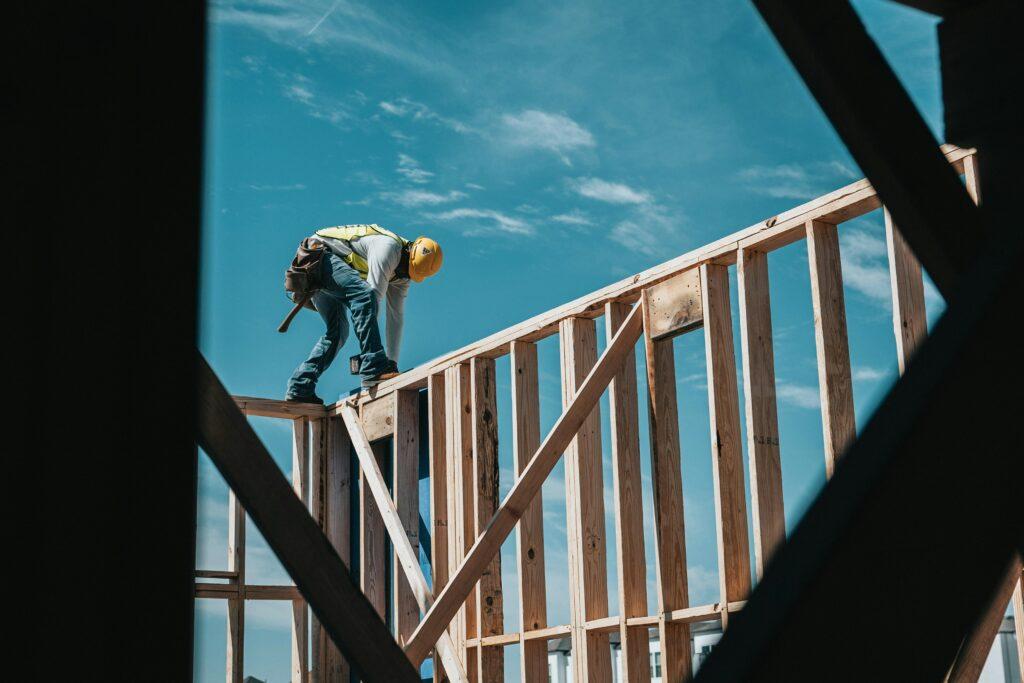
Long Island’s construction industry is active, covering everything from residential builds in Nassau County to large commercial projects along major corridors in Suffolk County. That volume of activity creates real exposure for workers at every level of a job site.
The Leading Causes of On-Site Injuries
Falls from heights, being struck by objects, electrocutions, and caught-in or caught-between incidents account for the majority of serious construction injuries nationwide. OSHA identifies these four categories as the leading causes of construction worker fatalities, and New York sites are no exception.
Contractor and Subcontractor Relationships Add Risk
Large construction projects typically involve a general contractor overseeing multiple subcontractors, which creates layered responsibility for site safety. When communication breaks down between those layers, safety protocols can fall through the gaps, leaving workers exposed to hazards no single party has taken ownership of. That fragmented structure also complicates liability when an injury occurs.
Long Island’s Older Building Stock
Much of Long Island’s existing housing and commercial building inventory was constructed decades ago, meaning renovation and gut-rehab work frequently involves older materials and unpredictable structural conditions. Workers performing demolition, rewiring, or remodeling in older structures face hazards that new construction projects rarely present. Hazardous materials, deteriorated framing, and outdated electrical systems are all genuine risks on these job sites.
Common Construction Accident Injuries
The physical consequences of a construction site accident can range from broken bones to permanently disabling conditions. Understanding the injury spectrum matters because it directly affects what your claim may need to address in terms of medical care, lost income, and long-term support.
Traumatic Injuries From Falls and Falling Objects
Falls from scaffolding, ladders, and elevated platforms routinely cause fractures, spinal injuries, and traumatic brain injuries. Being struck by a falling tool, material, or piece of equipment can cause similar harm, even from relatively short distances. These injuries often require surgery, extended rehabilitation, and time away from work that can stretch into months or longer.
Crush and Amputation Injuries
Workers caught in machinery, pinned under collapsed structures, or struck by heavy equipment face some of the most severe outcomes on any job site. Crush injuries can cause nerve and tissue damage that does not fully resolve, and amputations carry both physical and psychological consequences that affect every aspect of daily life. Cases involving these injuries typically require detailed medical documentation and long-term cost projections as part of the claim.
Occupational Exposure Injuries
Not all construction injuries happen in a single event. Prolonged exposure to silica dust, asbestos, chemical solvents, or excessive noise can cause respiratory disease, hearing loss, and other conditions that develop over time. These occupational exposure cases involve different legal timelines and evidentiary requirements than acute traumatic injuries.
Ladder collapses, unguarded floor openings, and unsecured materials are among the most common triggers.
Workers’ Compensation vs. Third-Party Claims
When a worker is injured on a construction site in New York, two separate legal paths may be available, and in many cases, both apply at the same time. Understanding how they differ is essential before making any decisions.
What Workers’ Compensation Covers
New York requires most employers to carry workers’ compensation insurance, which provides benefits for medical treatment and a portion of lost wages regardless of who caused the injury. The trade-off is that workers’ compensation is generally the exclusive remedy against your direct employer, meaning you typically cannot sue your employer in civil court. Benefits are real and worth pursuing, but they do not include compensation for pain and suffering.
When a Third-Party Claim is Available
If someone other than your employer contributed to the conditions that caused your injury, a separate personal injury claim may be available against that party. General contractors, property owners, equipment manufacturers, and site managers can all potentially be named as third-party defendants depending on how the accident happened. A successful third-party claim can recover damages that workers’ compensation does not cover, including pain and suffering and the full value of lost earning capacity.
How Both Claims Can Work Together
In many construction accident cases, injured workers pursue workers’ compensation benefits and a third-party lawsuit simultaneously. New York law allows this, though the workers’ compensation carrier has a right to recover its costs from any third-party settlement or judgment.
Coordinating both claims properly from the beginning protects your full recovery and avoids mistakes that can reduce what you ultimately receive.
New York Labor Law Protections for Injured Workers
New York’s Labor Law includes provisions that go significantly further than general negligence principles when it comes to construction site injuries. These statutes are among the most worker-protective in the country and are central to many construction accident cases on Long Island.
Labor Law Section 240 and Gravity-Related Accidents
New York Labor Law Section 240 is commonly called the “Scaffold Law” and imposes absolute liability on property owners and general contractors when a worker is injured due to an elevation-related hazard. This means that if a scaffold, ladder, or other elevation device fails to provide proper protection and you are injured as a result, the owner and contractor can be held liable regardless of their own fault. The law covers falls from heights as well as injuries caused by falling objects at a work site.
Labor Law Section 241(6) and Safety Regulation Violations
Section 241(6) requires owners and contractors to comply with specific safety rules established under the New York Industrial Code. When a violation of those rules contributes to a worker’s injury, the property owner and general contractor can be held liable under a negligence standard. This provision applies to a wide range of hazards, including inadequate lighting, improper housekeeping, and defective equipment conditions.
Labor Law Section 200 and General Site Safety
Section 200 codifies the common-law duty to maintain a reasonably safe workplace and applies to parties who have the authority to control the work being performed. Unlike Sections 240 and 241(6), which impose liability based on statute, Section 200 requires showing that the responsible party knew or should have known about the dangerous condition. It is often pleaded alongside the other Labor Law provisions to build a complete picture of who bears responsibility.
How the Monarch Law Group Law Firm Approaches Construction Accident Cases
Pursuing a construction accident claim in New York requires understanding multiple overlapping bodies of law, preserving evidence quickly, and identifying every party that may share responsibility. Monarch Law Group focuses its practice on personal injury cases, including construction site injuries across Long Island.
Early Investigation and Evidence Preservation
The evidence that matters most in a construction accident case, including site conditions, equipment, witness accounts, and contractor records, can change or disappear quickly after an incident. Monarch Law Group works to begin the investigative process as early as possible to document conditions before they are altered or records are lost. This may involve retaining investigators, obtaining surveillance footage, and issuing evidence preservation letters to the appropriate parties.
Identifying All Responsible Parties
Construction accidents often involve more than one party whose conduct or decisions contributed to the injury. Identifying every potentially responsible party, from the property owner and general contractor to equipment suppliers and site managers, is a central part of building a construction accident claim. Leaving out a responsible party early in the process can limit the compensation available later.
Guiding Clients Through a Layered Process
New York construction accident claims often involve a workers’ compensation case running alongside a civil lawsuit, which means two separate processes with different rules, deadlines, and decision-makers. Monarch Law Group helps clients understand what each process involves, what to expect at each stage, and how the two claims interact with each other. The goal is to make sure clients can make informed decisions throughout.
Long Island Construction Accident Claim FAQ
How Long Do I Have to File a Construction Accident Claim in New York?
New York generally allows three years from the date of injury to file a personal injury lawsuit, but certain claims involving government-owned property have much shorter notice deadlines. The workers’ compensation process has its own reporting timelines that begin at the time of the injury. Acting quickly protects your rights under both systems.
Can I Sue if I Was Partly at Fault for My Own Injury?
New York follows a pure comparative negligence rule, which means your compensation may be reduced in proportion to your own share of fault, but you are not barred from recovering entirely. Under Labor Law Section 240, contributory negligence is generally not a defense in elevation-related cases. A construction accident attorney can assess how fault may be allocated in your specific situation.
What if My Employer Does Not Have Workers’ Compensation Insurance?
If your employer failed to carry required workers’ compensation coverage, you may still file a claim through the New York Workers’ Compensation Board, which administers an Uninsured Employers Fund for exactly this situation. You may also have civil claims against the uninsured employer that would not otherwise be available. The absence of coverage does not eliminate your right to benefits.
Does Labor Law Section 240 Apply to All Construction Workers?
Section 240 applies to workers engaged in construction, demolition, repair, and certain other enumerated activities, but it does not cover all workers on every type of job site. Homeowners who contract work on a one or two-family residence they own and occupy may be exempt under a specific statutory exception. Whether the law applies to your situation depends on the type of work being performed and who owns the property.
What Happens if a Subcontractor Caused My Serious Injury?
If a subcontractor’s negligence contributed to your injury, that subcontractor may be a third-party defendant in a civil lawsuit separate from your workers’ compensation claim. General contractors and property owners may also remain liable under the Labor Law regardless of which subcontractor was performing the work at the time. The relationship between the parties on a given job site determines how liability is analyzed.
How Is Pain and Suffering Calculated in a Construction Accident Case?
There is no fixed formula for calculating pain and suffering damages in New York. Courts and juries consider the nature and severity of the injury, the impact on the person’s daily life and relationships, and the expected duration of any ongoing limitations. Medical records, expert testimony, and personal accounts all contribute to establishing this portion of a claim.
What Should I Do Immediately After a Construction Injury?
Report the injury to your employer or supervisor as soon as possible and seek medical attention right away, even if the injury initially seems minor. Preserving any photographs, witness contact information, or records related to the site conditions can also be valuable later. Consulting with a construction accident attorney before giving recorded statements to any insurance carrier or employer representative is worth considering.
Contact Monarch Law Group About Your New York Construction Accident Lawsuit
If you were injured on a construction site in Nassau County, Suffolk County, or elsewhere on Long Island, Monarch Law Group is available to review your situation and explain what options may apply. There is no obligation to retain the firm after an initial consultation, and there is no fee unless your case results in a recovery. Reach out today to speak with a member of our team about what happened and what the law may allow you to pursue.


