


Table of Contents
A spinal cord injury can reshape every aspect of a person’s life in an instant. Whether it happens in a car crash on the Long Island Expressway, a fall at a construction site, or a collision on a local road, the consequences reach far beyond the initial trauma. Paralysis, chronic pain, loss of sensation, and the need for long-term medical care are all real possibilities, and the financial burden can be enormous.
If you or someone you love has suffered a spinal cord injury because of another person’s negligence, you have the right to pursue compensation for your losses. The legal process for these cases in New York involves specific deadlines, technical requirements, and a thorough understanding of how courts value these types of injuries.
At Monarch Law Group, our spinal cord injury lawyers work with spinal cord injury survivors on Long Island and throughout the state to pursue the full compensation available under the law. Contact us to speak with a spinal cord injury attorney about your situation.
How Spinal Cord Injuries Happen on Long Island
Long Island is one of the most densely populated areas in the country, and with that density comes a higher rate of traumatic accidents that cause serious harm. Understanding how these injuries occur matters because the circumstances of the accident directly shape the legal theory of your case, including who is responsible and what evidence is needed to prove it.
Motor Vehicle Accidents on Local Roads and Highways
Rear-end collisions, T-bone crashes, and high-speed accidents on roads like the Long Island Expressway and the Southern State Parkway are among the most common causes of spinal cord trauma. The force of impact during a vehicle crash can fracture vertebrae, compress the spinal cord, or sever nerve pathways entirely. When someone else’s negligence, such as speeding, distracted driving, or running a red light, causes the crash, that driver can be held liable for the resulting injuries.
Workplace and Construction Site Accidents
Long Island has an active construction industry, and falls from scaffolding, ladder accidents, and being struck by falling objects are frequent causes of injuries at job sites. Workers injured on the job may have claims under both New York’s workers’ compensation system and, in some cases, a separate personal injury lawsuit against a negligent third party. New York Labor Law provides specific protections for construction workers that can significantly affect how these claims are pursued.
Premises Liability and Slip-and-Fall Incidents
Property owners in New York have a legal duty to maintain reasonably safe conditions for visitors. When a slip-and-fall accident on a wet floor, broken staircase, or poorly maintained walkway results in a spinal injury, the property owner may bear responsibility. These cases require demonstrating that the owner knew or should have known about the hazard and failed to address it, which makes thorough documentation of the scene and conditions critically important.
Types of Spinal Cord Injuries and Their Legal Significance
Not all spinal cord injuries are the same, and the medical classification of an injury has a direct effect on how a legal claim is valued and presented. Spinal cord injury lawyers and insurance companies both look at the degree of impairment, the likely long-term prognosis, and the total cost of care when assessing a case.
Complete vs. Incomplete Injuries
A complete spinal cord injury results in total loss of motor function and sensation below the level of the injury, while an incomplete injury means some function is preserved. The National Spinal Cord Injury Statistical Center reports that incomplete injuries are now more common than complete ones, but both categories involve significant disability and long-term care needs. From a legal standpoint, the severity of the injury affects the calculation of damages, including future medical costs, lost earning capacity, and compensation for pain and suffering.
Cervical, Thoracic, and Lumbar Injuries
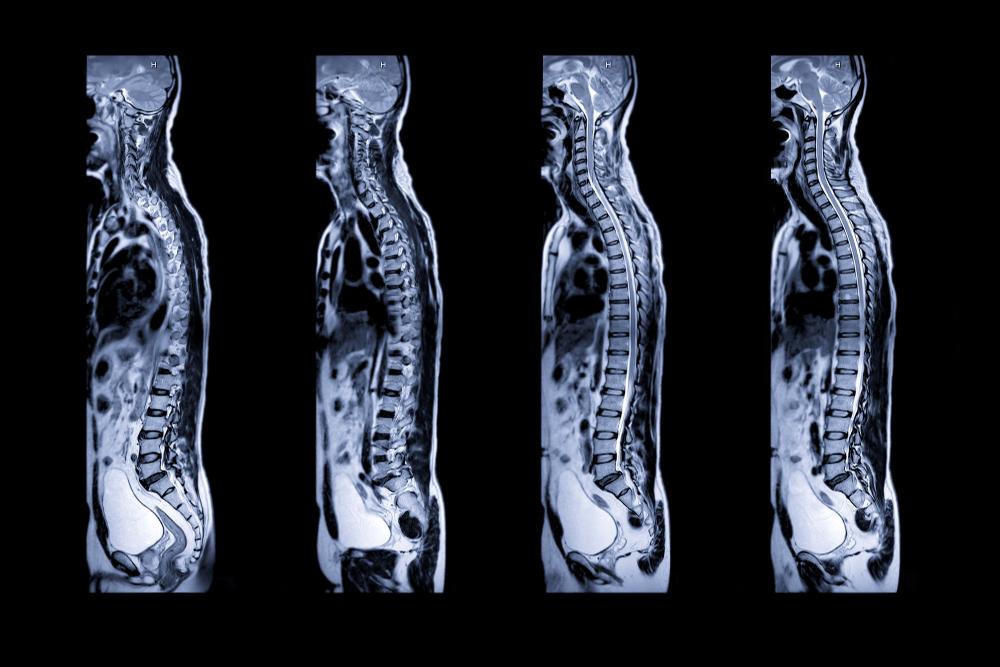
The location of a spinal cord injury along the vertebral column determines the extent of functional impairment. Cervical injuries, those affecting the neck region, often result in quadriplegia, meaning limited function in both arms and legs, while thoracic and lumbar injuries typically cause paraplegia, affecting the lower body. Each level of injury carries a different long-term care burden and a different anticipated lifetime cost, both of which are factored into the damages calculation in a personal injury claim.
Documenting Long-Term Medical and Economic Losses
Spinal cord injury cases typically involve large damage figures because the losses extend over a lifetime. Medical experts, economists, and life care planners are often retained to calculate the true cost of future care, adaptive equipment, home modifications, and lost wages. Building this documentation carefully is one of the most important steps in presenting a strong claim, and it is work that must begin early in the legal process to preserve accuracy and credibility.
Pursuing a Claim for a Spinal Cord Injury in New York
New York law sets specific rules for how claims are filed, how damages are calculated, and how fault is divided among parties. Knowing these rules is essential to protecting your rights, especially given the time constraints involved.
New York’s Statute of Limitations
In most personal injury cases in New York, the statute of limitations is three years from the date of the injury. Under New York CPLR Section 214, failing to file within this window generally bars the claim entirely, regardless of how serious the injuries are. There are limited exceptions, such as claims involving municipalities or government entities, which carry much shorter notice requirements, sometimes as little as 90 days, making early legal consultation essential.
Comparative Negligence in New York
New York follows a pure comparative negligence rule, meaning a survivor can recover damages even if they are found to be partially at fault for the accident. However, any percentage of fault assigned to the survivor reduces their total recovery by that same percentage. This makes it important to investigate the accident thoroughly and build a factual record that accurately reflects what happened, rather than allowing the other party to unfairly shift blame.
Dealing with Insurance Companies
Insurance companies handling catastrophic injuries have significant resources and a financial incentive to minimize what they pay. Adjusters may reach out early, sometimes before a survivor fully understands the extent of their injuries, in an attempt to obtain a recorded statement or settle quickly. Speaking with a personal injury attorney before communicating with any insurer can help protect your spinal cord injury claim and ensure that early decisions do not limit your ability to recover full compensation later.
Working with Monarch Law Group on Your Case
Spinal cord injury cases demand careful preparation, medical expertise, and a thorough understanding of New York’s legal landscape. At Monarch Law Group, our attorneys handle these cases with the attention they require, working to build a complete picture of each client’s losses and legal rights.
Building Your Case from Day One
From the moment we are retained, we work to preserve evidence, obtain medical records, and identify all potentially liable parties. Early legal action matters in injury cases because evidence can be lost, witnesses can become harder to locate, and medical records from the acute phase of treatment are critical to establishing causation. We work alongside medical professionals and, where necessary, accident reconstruction specialists to develop a factual foundation for your spinal cord injury claim.
Understanding the Full Scope of Your Spinal Cord Damages
A spinal cord injury affects your health, your ability to work, your relationships, and your independence. Financial compensation in these cases can include medical bills, both past and future, rehabilitation costs, lost income and earning capacity, the cost of home modifications and adaptive equipment, and damages for pain and suffering. We consult with life care planners and economic experts to ensure that no element of your losses is left out of the damages analysis.
Committed Representation at Every Stage
Whether a case resolves through settlement negotiation or proceeds to trial, our personal injury attorneys are prepared to advocate for our clients at every step. Many catastrophic injury cases settle before reaching a courtroom, but the strength of the preparation behind the case often determines the outcome of those negotiations. Our focus throughout the process is on pursuing the most complete recovery the facts and law allow, not simply closing the file quickly.

Frequently Asked Questions About Spinal Cord Claims in New York
Spinal cord injury cases raise a lot of questions, and understandably so. The answers below address some of the most common concerns survivors and their families have when exploring their legal options.
How Long Do I Have to File a Spinal Cord Injury Lawsuit in New York?
In most cases, New York law gives you three years from the date of the injury to file a personal injury lawsuit. If the injury involves a government entity, such as a municipal road or a public vehicle, a notice of claim must be filed within 90 days of the incident. Missing either deadline can permanently bar your ability to seek financial support, which is why contacting an attorney as soon as possible after an injury is important.
Can I Still Recover Lost Wages if I Was Partially at Fault?
Yes. New York’s pure comparative negligence rule allows a survivor to recover damages even when they share some responsibility for the accident. Your total recovery is reduced by your percentage of fault, so if you are found 20 percent responsible, your damages are reduced by 20 percent. This is why a thorough investigation of the facts is so important, as accurate fault allocation directly affects the value of your cervical spine claim.
What Compensation Can Be Recovered in a Spinal Cord Injury Case?
Recoverable damages typically include past and future medical expenses, rehabilitation and attendant care costs, lost wages and reduced earning capacity, pain and suffering, and loss of enjoyment of life. In cases involving particularly reckless conduct, punitive damages may also be available. The total value of a case depends on the specific facts, the severity of the injury, and the documented lifetime cost of care.
What if the Responsible Party Has Minimal Insurance Coverage?
When the at-fault party carries insufficient insurance to cover the full extent of your losses, other sources of financial recovery may be available. Your own uninsured or underinsured motorist coverage may apply in vehicle-related cases, and additional defendants, such as employers or property owners, may also share liability. An attorney can help identify all available sources of fair compensation so that coverage gaps do not leave you without recourse.
How Are Spinal Cord Injury Cases Different from Other Claims?
The scope of damages in spinal cord injury cases is typically far larger than in other claims because the effects are often permanent and life-altering. These cases require expert testimony, detailed life care plans, and economic projections that go well beyond what most personal injury claims involve. The legal complexity and financial stakes both demand a level of preparation and attention that distinguishes catastrophic injury litigation from routine claims.
Do I Have to Go to Court?
Most personal injury cases resolve through settlement before trial. However, whether a case settles depends on whether the compensation offered adequately reflects the full scope of losses, and that determination requires the same level of preparation as going to trial. If a fair settlement cannot be reached, our attorneys are prepared to take the case to court and present your lumbar spine claim before a judge and jury.
Call Our Spinal Cord Injury Attorneys for a Free Consultation to Discuss Your Spinal Cord Injury Claim
A spinal cord injury changes everything, and pursuing a legal spinal cord injury claim while managing medical care, rehabilitation, and the practical demands of recovery is an enormous burden. The personal injury law firm of Monarch Law Group represents spinal cord injury survivors on Long Island and throughout New York, working to secure the compensation that reflects the real and lasting impact of these injuries. Reach out through our contact page to schedule a free initial consultation and speak directly with an attorney to get legal support for your case.


