

Table of Contents
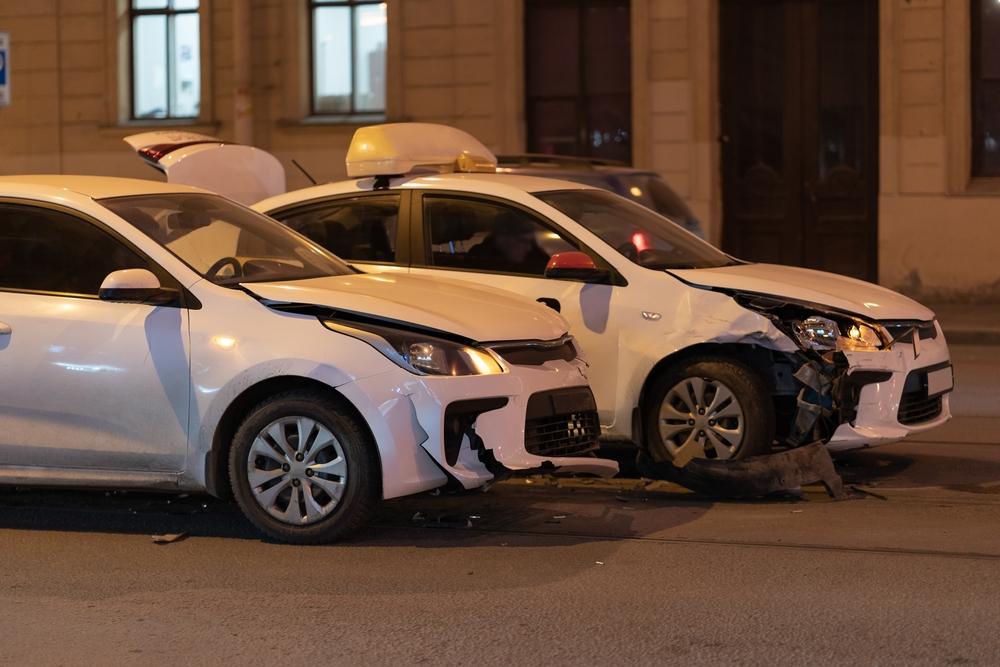
Every year, thousands of people are injured in taxi accidents across New York City. Whether you were a passenger in a cab, a pedestrian struck by a taxi, or a driver hit by a for-hire vehicle, the aftermath of these crashes can be disorienting. Medical expenses arrive before you’ve had a chance to process what happened. Insurance companies begin asking questions, and figuring out who is actually responsible – and how the city’s unique rules apply to your situation – takes time and knowledge most people simply don’t have.
Taxi accident claims in New York involve a different set of rules than standard car accident cases. The city’s Taxi and Limousine Commission regulates how cabs operate, medallion-based taxi drivers carry specific insurance requirements, and multiple parties may share responsibility for a single crash. Getting clear answers matters, and acting quickly protects your ability to pursue a claim.
Monarch Law Group represents people injured in New York taxi cab accidents. This page explains how motor vehicle accidents happen, what injuries look like, and how a taxi accident lawyer approaches building a case.
How NYC Taxi Accidents Happen
Taxi drivers in New York City log more hours behind the wheel than almost any other category of driver, which creates real exposure to fatigue-related errors. Sudden stops, running red lights, distracted driving from dispatch systems, and aggressive lane changes are among the most common factors in taxi-related collisions. Passengers seated in the rear of a cab are particularly vulnerable during front-end impacts because they are rarely wearing seatbelts, which drivers are required by law to remind them to use.
High-Risk Locations in NYC
Midtown Manhattan, the areas surrounding major airports, and busy transit hubs like Penn Station and Grand Central Terminal consistently generate high volumes of taxi-related incidents. The density of pedestrian traffic combined with congested roadways creates frequent opportunities for conflict between taxis and other vehicles, cyclists, and people on foot. These intersections and drop-off zones often appear repeatedly in accident reports filed with the city.
Parties Who May Share Responsibility
A taxi accident rarely involves just one at-fault party. The driver may bear personal responsibility, but the fleet owner, the medallion holder, and even the taxi company could each carry some share of liability depending on the circumstances. In some cases, poorly maintained roadways or defective vehicle components introduce additional parties, such as municipal entities or manufacturers, into the picture.

Injuries Caused by Taxi Collisions
Taxi passengers are often caught off guard by sudden braking or impact, leaving them with no time to brace. Whiplash, soft tissue injuries to the neck and back, and traumatic brain injuries from striking the seat or partition are among the most common outcomes. Even collisions that feel minor in the moment can produce injuries that take days or weeks to fully surface.
Long-Term Effects that Change Daily Life
Some injuries from NYC taxi accidents have lasting consequences that go far beyond the initial emergency room visit. Spinal damage, nerve injuries, and head trauma can affect a person’s ability to work, sleep, and carry out ordinary daily tasks for months or permanently. These longer-term effects are often underestimated early in the claims process, which is one reason thorough medical follow-up matters so much.
Why Medical Documentation Shapes Your Case
The medical records created in the days and weeks after an NYC taxi accident become some of the most important evidence in any subsequent legal claim. Gaps in treatment, delayed diagnoses, or inconsistent documentation can complicate efforts to connect an injury directly to the crash. Seeing a doctor promptly and following through on all recommended care creates a record that accurately reflects what the accident actually cost you.
Legal Rights in New York City Taxi Accident Claims
The New York City Taxi and Limousine Commission sets the rules governing how yellow cabs and for-hire vehicles operate in the city. These regulations establish licensing requirements, vehicle inspection standards, and insurance minimums that apply specifically to TLC-licensed drivers and vehicles. Understanding which rules apply to the cab involved in your accident is a foundational step in any New York taxi accident lawyer’s analysis of the case.
Sorting Out Who Is Liable
Liability in taxi accidents is frequently disputed because multiple parties have financial incentives to avoid responsibility. The driver may claim the fleet owner controlled how the vehicle was maintained. The medallion owner may argue that the driver was an independent contractor.
How those relationships are structured, and how courts have treated similar disputes, play a large role in determining where responsibility ultimately falls.
Insurance Complexity in For-Hire Vehicle Cases
Taxi accident claims often involve layered insurance coverage, including the driver’s personal policy, a commercial policy tied to the medallion or fleet, and potentially an umbrella policy as well. A serious taxi accident lawyer in NYC must identify all applicable policies, evaluate coverage limits, and understand how New York’s no-fault insurance rules interact with a tort claim before advising on next steps. These details have real consequences for what compensation may be available and through which channels.

How Monarch Law Group Approaches These Cases
When someone contacts Monarch Law Group after a taxi accident, the first priority is understanding the full picture: what happened, where, who was involved, and what documentation already exists. This initial review helps identify the strength of potential claims and any immediate deadlines, including New York’s statutes of limitations and notice requirements, that could affect a person’s rights. No two accidents are the same, and a careful early evaluation shapes everything that follows.
Building an Evidence-Based Case File
Strong taxi accident claims are built on evidence gathered as soon as possible after the crash. Monarch Law Group works to obtain police reports, surveillance footage from nearby cameras, TLC records for the vehicle and driver, witness statements, and medical records that connect injuries to the accident. The sooner this process begins, the better the chance of preserving material that might otherwise be lost or overwritten.
Keeping Clients Informed Throughout
Legal proceedings can feel opaque, especially when a client is also dealing with physical recovery and financial pressure. Monarch Law Group prioritizes clear, direct communication so clients understand what is happening with their case, what options they have, and what to expect at each stage. People going through difficult circumstances deserve to feel informed, not confused, about the process meant to help them.
Frequently Asked Questions About Taxi Accident Claims in New York
What Should I Do Immediately After an Accident Involving a Taxi?
Call 911 and request both police and medical assistance, even if injuries seem minor. Collect the taxi’s medallion number, the driver’s TLC license information, and contact details for any witnesses at the scene. Avoid giving recorded statements to insurance adjusters before speaking with an attorney.
How Long Do I Have to File a Claim in New York?
New York’s general statute of limitations for personal injury claims is three years from the date of the accident. However, if a government entity is involved, such as a city-owned vehicle or a negligent roadway condition, notice of claim requirements may apply and must be filed within 90 days. Meeting with an attorney early ensures none of these deadlines are missed.
Can I File a Claim if I Was a Passenger in the Taxi?
Yes. As a passenger, you did not contribute to the cause of the accident and generally have a straightforward basis for a claim against one or more responsible parties. Your claim may proceed against the taxi driver, the fleet owner, another driver involved in the collision, or some combination of those parties.
New York’s no-fault rules also provide an initial avenue for medical expense coverage regardless of fault.
What if the Taxi Driver Was Working for a Rideshare or App-Based Company?
App-based for-hire vehicles are regulated differently from traditional yellow cabs, and the insurance coverage structure varies depending on whether the driver was actively carrying a passenger at the time of the crash. Rideshare companies maintain their own commercial insurance policies, but accessing that coverage involves specific procedures and documentation. A New York taxi accident lawyer familiar with these matters will know how to identify and pursue the right coverage.
Does New York’s No-Fault Law Limit What I Can Recover?
New York’s no-fault system covers initial medical expenses and a portion of lost wages through the insurer, without requiring you to prove fault first. However, no-fault benefits have limits, and serious injuries that meet a defined threshold under state law allow injured people to step outside the no-fault system and pursue additional compensation through a tort claim. A New York taxi accident lawyer can help assess whether your injuries meet that threshold.
What Kinds of Damages Can Be Recovered After a Taxi Accident?
Recoverable damages may include medical expenses, lost income, reduced earning capacity, and compensation for pain, suffering, and the impact the injuries have had on your daily life. Property damage claims may also be available in some situations. The specific damages available depend on the facts of the accident, the nature of the injuries, and which parties are found liable.
How Is a Taxi Accident Case Different from a Regular Car Accident?
The primary differences involve the regulatory environment, the insurance structure, and the number of potentially liable parties. TLC rules create specific obligations for taxi operators and their vehicles that don’t apply to private drivers, and commercial insurance policies carry different terms and coverage levels. Identifying all of these layers at the outset of a case is essential to pursuing a complete claim.
Contact Monarch Law Group for a Free Consultation About Your Taxi Accident
If you or someone you care about was injured in a taxi or for-hire vehicle accident in New York City, Monarch Law Group is prepared to help you understand your options. Our attorneys handle taxi accident cases throughout the five boroughs and take the time to explain the process clearly, from the first call through resolution. Reach out today to schedule a consultation and talk through what happened with a New York taxi accident lawyer.


