

Table of Contents
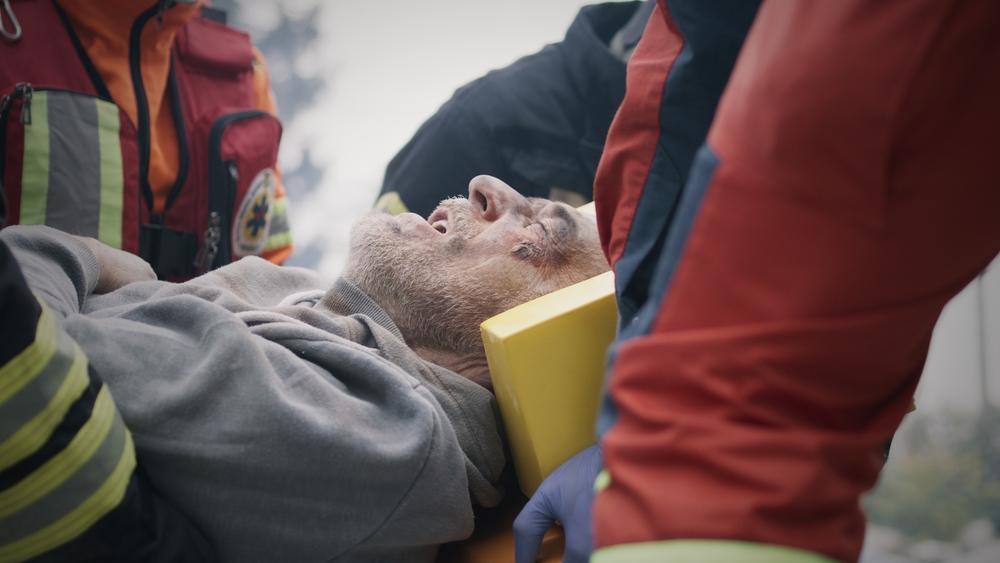
A catastrophic injury changes everything almost instantly. One moment you’re commuting to work or crossing a familiar intersection, and the next you’re facing emergency surgery, an uncertain recovery timeline, and questions about whether you’ll ever return to your job or live independently again. The medical bills start arriving before you’ve even left the hospital, and insurance adjusters often begin asking questions before you’ve had a chance to understand your own prognosis.
The Manhattan catastrophic injury attorneys at Monarch Law Group represent individuals and families who are coping with the aftermath of severe, life-altering injuries. These cases rarely resolve quickly or simply. A catastrophic injury claim typically requires a careful investigation into how the injury happened, who bears responsibility, and what the person’s medical and financial future realistically looks like. Building that record takes time, medical input, and attention to detail that general injury handling often overlooks.
If you or a family member has suffered a serious injury in Manhattan, a free consultation can help. Call (212) 742-0001 or click this link for a free case review with a Manhattan personal injury lawyer.
What Makes an Injury Catastrophic?
New York law does not assign every severe injury a single formal “catastrophic” label. Instead, the term generally describes injuries with consequences serious enough to permanently change how a person lives, works, and functions day to day. The common thread is permanence and the degree of life disruption involved, not a specific diagnosis code.
Injuries commonly described as catastrophic include:
- Traumatic brain injuries
- Spinal cord damage resulting in partial or complete paralysis
- Limb amputations
- Severe burns
- Permanent loss of vision or hearing
- Orthopedic injuries that leave someone with lasting disability
What unites these injuries legally isn’t the body part affected but the outcome: an inability to return to prior work, a need for ongoing care, or a permanent loss of independence. Someone may retain significant physical ability and still be considered catastrophically injured if the condition prevents them from resuming their career or managing daily tasks without assistance.
Common Causes of Catastrophic Injuries in Manhattan
Manhattan’s density, traffic patterns, and constant construction activity create a distinct set of risks compared to less urban parts of New York. The borough’s accident patterns tend to fall into a few recurring categories.
Motor Vehicle Accidents Involving Cyclists and Pedestrians
Manhattan’s streets carry an unusually high concentration of taxis, rideshare vehicles, commercial delivery trucks, e-bikes, and mopeds, often moving through the same congested intersections as pedestrians.
Collisions involving taxis and for-hire vehicles frequently produce severe injuries because of urban travel speeds and crowded crosswalks. Pedestrians struck by vehicles making turns, and cyclists caught between delivery traffic and opening car doors, account for a disproportionate share of catastrophic trauma cases in the borough, and claims involvingbicycle accidents have grown alongside the rise in e-bike and delivery cyclist traffic.
MTA Buses and Subway Cars
MTA bus collisions, falls at subway platforms, dangerous gaps between the platform and train, and injuries tied to malfunctioning doors or unsafe station conditions are a recurring source of severe injury throughout Manhattan’s transit system.
Claims involving bus accidents or train and subway incidents often involve a public transit authority as a defendant, which can trigger special notice requirements. New York State General Municipal Law § 50-e requires personal injury and property damage notices of claim to be properly served within 90 days from the date of occurrence when a claim must first be filed with the city, a deadline that can be easy to miss while focused on medical treatment.
Construction Site Accidents
Manhattan’s constant high-rise construction and renovation activity brings scaffolding collapses, falling tools and debris, crane and equipment failures, and falls from elevated work platforms. New York Labor Law Sections 240 and 241 (“Scaffold law”) provide distinct protections for construction workers, with Section 240 addressing elevation-related hazards like falls and falling objects, and Section 241 covering broader site safety requirements for excavation, demolition, and general construction conditions. These statutes can impose liability on property owners and general contractors separate from standard negligence claims, which makes identifying every responsible party in a construction accident case especially important.
Dangerous Commercial and Residential Buildings
Construction accidents aren’t the only way to suffer injuries in or near buildings. Dangerous stairways in older buildings, elevator malfunctions, falling building materials from facades or scaffolding, and defective machinery in commercial or residential settings can all cause catastrophic harm, from traumatic brain injury to spinal cord damage to crushing injuries. Responsibility in these cases may fall on a property owner, a third-party contractor, an equipment manufacturer, or more than one party at once, depending on who controlled the condition that caused the injury.
There are a lot of ways to get hurt in Manhattan, and seeking compensation on your own can mean leaving money on the table. Reach out to one of our catastrophic injury attorneys at Monarch Law Group to see if we can help.
Medical Treatment and Rehabilitation After a Catastrophic Injury
Recovering from a catastrophic injury rarely follows a straight path. Patients with conditions like,severe burns, organ damage, or multiple broken bones may require emergency surgery, followed by additional procedures, an extended inpatient stay, and months or years of therapy aimed at recovering as much function as possible.
Manhattan’s medical infrastructure includes Bellevue Hospital and NewYork-Presbyterian/Weill Cornell Medical Center, both designated Level I adult trauma centers capable of handling the most severe injuries. Long-term recovery often continues at specialized facilities such as Rusk Rehabilitation at NYU Langone or through Mount Sinai’s spinal cord injury rehabilitation programs, which focus on helping patients regain independence after paralysis, brain damage, or amputation.
Where you go for treatment does not matter. What matters for a serious personal injury claim is the documentation these treatment phases generate. Emergency medical records, surgical notes, rehabilitation progress reports, and physician prognoses together build a picture of how severe the injury truly is and what it’s likely to mean for the person’s future, which becomes central to valuing a catastrophic personal injury case.
The Financial Impact of a Catastrophic Injury in Manhattan
The financial consequences of a catastrophic and permanent injury depend heavily on the individual’s actual circumstances: their living situation, career, support needs, and the realistic trajectory of their recovery. Manhattan’s cost of living and housing stock create some specific challenges worth understanding.
- Long-term medical care: Future surgeries, ongoing rehabilitation, nursing assistance, home health aides, and assistive medical devices can represent a lifetime of expense that must be projected, not just tallied from bills already received.
- Housing and accessibility: Many Manhattan apartments, particularly in older walkup buildings, were never designed for wheelchair access. Widening doorways, installing ramps or lifts, and retrofitting bathrooms can be difficult or impossible in some units, and relocation to accessible housing is sometimes the only practical option.
- Transportation and daily assistance: Accessible taxis, private medical transport, and personal care assistance for someone who can no longer navigate stairs, subway platforms, or crowded sidewalks independently all add recurring costs.
- Lost earning capacity: A brain injury that leaves someone unable to process information quickly or manage a demanding schedule can end a career in finance, technology, law, or advertising even when the person appears physically capable. Someone who previously managed high-pressure deadlines may no longer be able to sustain that pace, resulting in a significant, measurable loss of future income.
- Noneconomic damages: Pain and suffering are compensable in NYC. Physical pain, emotional distress, permanent physical limitations, and a diminished ability to enjoy daily life are real losses, even though they can’t be calculated from a receipt or pay stub.
Medical professionals, life-care planners, vocational experts, and economists often work together to project these future expenses and lost income with the specificity a court or insurer expects. Manhattan’s high cost of living doesn’t automatically translate into a larger award, and a high income alone doesn’t guarantee a particular recovery. Every component of damages has to be tied to the specific facts and documented losses in that person’s case. One of our catastrophic injury lawyers in Manhattan can explain more; call or contact us at any time.
Click here to schedule a confidential consultation or call our office at (212) 742-0001.
Proving Liability and Pursuing a Catastrophic Injury Claim
Pursuing compensation after a catastrophic accident requires more than proving an injury occurred. You must establish who was legally responsible and how their actions caused the harm. This can be especially complicated in construction, transit, and commercial vehicle cases involving multiple companies or contractors.
Building a strong claim often requires:
- Accident evidence: Surveillance footage, witness statements, police reports, and inspection or maintenance records.
- Medical documentation: Records establishing the extent of the injury, its connection to the accident, and anticipated future care.
- Addressing insurance disputes: Evidence countering arguments about preexisting conditions, injury causation, or permanent disability.
New York follows a pure comparative negligence rule, meaning injured people can generally recover damages even if they were partly at fault, though compensation is reduced according to their share of responsibility.
Where a lawsuit is filed also matters. The Supreme Court, Civil Branch, New York County handles substantial civil injury litigation in Manhattan. Whether the case belongs there depends on applicable venue rules, including the parties’ residences and where the underlying events occurred. Claims against government entities may also involve additional procedural requirements and shorter deadlines.
How Monarch Law Group Handles Catastrophic Injury Cases
Monarch Law Group approaches catastrophic injury claims by investigating how the accident occurred, identifying responsible parties, and documenting the full extent of the resulting losses. Our Manhattan personal injury attorneys focus on building cases that account for both immediate injuries and their long-term consequences.
- Investigating liability and preserving evidence. We identify potentially responsible drivers, property owners, contractors, or other parties and gather surveillance footage, witness statements, maintenance records, and other evidence before it disappears.
- Documenting injuries and calculating damages. We work with appropriate medical and financial professionals when needed to evaluate medical expenses for ongoing treatment and permanent limitations, plus lost wages, lost earning capacity, and anticipated future care expenses.
- Negotiating and preparing for litigation. We use the evidence gathered to pursue full and fair compensation through negotiations with insurance companies and prepare cases for trial when a fair resolution cannot be reached.
Our firm’s experience includes a $7.65 million settlement involving a severe leg and foot injury and a $5.4 million Manhattan jury verdict involving a fatal defective elevator accident. Although wrongful death claims differ legally from claims brought by living injury victims, both results demonstrate our experience handling cases involving serious harm and substantial damages.
Prior results do not guarantee a similar outcome. Every case depends on its individual facts and circumstances.
Click here to schedule a confidential consultation or call our office at (212) 742-0001.
Frequently Asked Questions About Catastrophic Injury Claims
How Do I Know if My Injury Qualifies as Catastrophic?
There’s no single, universally applied legal definition of “catastrophic injury” in New York civil litigation. Instead, the severity, permanence, and real-world impact of the injury on someone’s ability to work and function independently help establish how serious the consequences are, and in turn, how a claim should be valued.
What if Doctors Don’t Yet Know Whether My Injuries Are Permanent?
Many serious injuries have uncertain prognoses in the early months of treatment. Settling a claim before doctors understand the long-term consequences, whether that means permanent disability, additional surgeries, or lifelong care needs, can mean accepting far less than the case may actually be worth once the full picture becomes clear.
Can Family Members File a Claim for Someone Who Is Incapacitated?
A family member does not automatically have the legal authority to bring a claim on behalf of an incapacitated adult relative. Establishing guardianship or another appropriate legal arrangement is often necessary before a lawsuit can proceed on that person’s behalf.
How Long Do I Have to File a Catastrophic Injury Lawsuit in Manhattan?
Most New York negligence claims, including those involving car accidents, construction injuries, and premises liability, must be filed within three years. New York personal injury deadlines are generally set at three years from the date of injury under CPLR § 214, though claims against a government entity typically require a notice of claim within 90 days, and medical malpractice and wrongful death claims follow different timelines entirely. Missing any of these deadlines can permanently bar a claim regardless of its merits.
Is There a Catastrophic Injury Attorney Near Me in Manhattan?
Monarch Law Group maintains a Manhattan office at 30 Wall Street, 8th Floor, New York, NY 10005, and represents clients throughout the borough. A free consultation is available to discuss the circumstances of your injury and what documentation and next steps matter most.
Speak With a Manhattan Catastrophic Injury Lawyer
Recovering fully after a catastrophic injury often depends on identifying every responsible party and documenting the true financial and personal toll the injury has caused, not just the bills that have already arrived. These details are easiest to preserve early, before memories fade and records disappear.
If you or someone you love is dealing with a serious, life-altering injury in Manhattan, consider discussing the details with Monarch Law Group. Our law firm offers free consultations from the Manhattan office, and reaching out costs nothing but a conversation about what happened and what comes next.


