
Table of Contents
Slip and fall accidents might not seem catastrophic at first, but the statistics tell a different story. According to the Centers for Disease Control and Prevention, falls are a leading cause of injury in the United States, resulting in thousands of emergency room visits and hospitalizations each year. Many of these incidents occur because of dangerous conditions on someone else’s property, conditions that existed due to negligence.
New York law requires property owners to maintain reasonably safe premises. If you’re injured because of a hazardous condition, you have the right to seek compensation. But there’s a critical legal concept that can make or break your case: notice. Understanding how notice works in slip and fall cases helps you recognize whether you have a valid claim and what evidence you’ll need to prove it.
What Does Notice Mean in New York Premises Liability Cases?
Property owners aren’t expected to prevent every possible accident. Instead, owners must exercise reasonable care to keep their premises safe for visitors. Notice determines whether an owner had, or should have had, knowledge of a dangerous condition before your accident occurred.
If the property owner had notice of the hazard, they had a duty to either fix the problem or warn others about it. Without notice, it becomes harder to establish that the owner failed in their duty of care. This is why understanding the two types of notice—actual and constructive—is essential to building a strong case.
Actual Notice: When the Property Owner Knew About the Hazard
Actual notice exists when a property owner or their employees have direct knowledge of a dangerous condition. This type of notice is straightforward in concept: if someone created the hazard or witnessed it firsthand, they clearly knew about it.
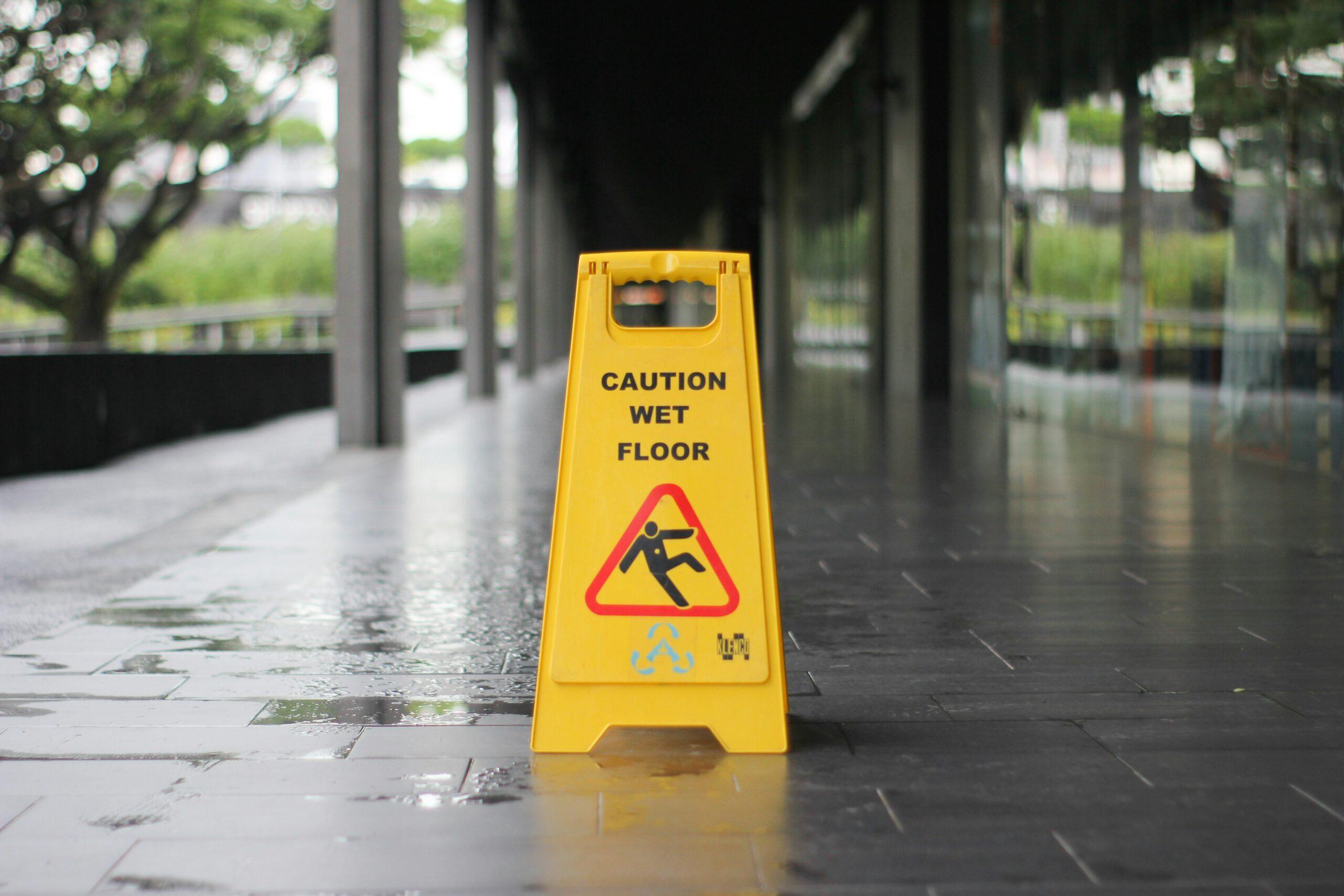
Common examples include an employee mopping a floor and leaving it wet without warning signs, a store worker stacking boxes in a walkway, or maintenance staff being told about a broken stair but failing to repair it. In these situations, the owner can’t claim ignorance because they or their representatives directly created or observed the hazard.
The challenge with actual notice is that it’s often easy for property owners to deny. Unless you have witnesses, video footage, or written documentation proving the owner knew about the condition, they may simply contest your claim. This is where constructive notice becomes crucial.
Constructive Notice: When the Property Owner Should Have Known About the Hazard
Constructive notice addresses the “ignorance is bliss” defense. Even if an owner didn’t have direct knowledge of a hazard, the law can impose knowledge if they should have discovered it through reasonable inspection and maintenance of their property.
Timing is the critical factor here. The dangerous condition must have existed long enough that a reasonable property owner would have discovered it during regular inspections. For example, slip and fall injuries caused by ice buildup after several days of freezing weather, cracks in pavement with grass growing through them, or water stains indicating a long-standing leak all suggest the hazard existed for a substantial period.
Property owners have a responsibility to regularly inspect their premises. If they fail to conduct reasonable inspections and you’re injured as a result, constructive notice can establish their liability even without proof that they directly knew about the problem.
How Notice Can Affect Your Compensation in a New York Slip-and-Fall Case
The type of notice in your case affects both the strength of your claim and the evidence you’ll need to collect. Cases with clear actual notice supported by witness statements, incident reports, or surveillance footage tend to be more straightforward. Then, the property owner’s knowledge is documented, making it harder for them to avoid responsibility.
Constructive notice cases require more detective work. You’ll need evidence showing how long the condition existed, such as photographs of deterioration, weather records, maintenance logs, or testimony from regular visitors who noticed the hazard over time.
Working with Monarch Law Group means having experienced attorneys who know how to investigate these details and build a compelling case regardless of which type of notice applies. We gather the evidence needed to prove an owner’s knowledge and hold them accountable for failing to maintain safe premises.
Building a Strong New York Slip-and-Fall Case
If you’ve been injured in a slip and fall, taking immediate action strengthens your claim. Fall injuries can worsen over time, and prompt medical documentation creates a clear record connecting your accident to your injuries. Keep all medical records, bills, and documentation of lost wages or other expenses related to your accident.
Understanding New York’s statute of limitations is also important. Generally, you have three years from the date of your injury to file a premises liability lawsuit in New York, though exceptions may apply in certain circumstances. Don’t wait until the deadline approaches—evidence disappears, memories fade, and witnesses become harder to locate as time passes.
Get Help from a Slip and Fall Accident Lawyer in New York
Reach out to the team at Monarch Law Group as soon as possible after your accident. The sooner we’re involved, the better we can preserve critical evidence and build your case.
Contact us to schedule your free consultation at our Wall Street or Long Island office. We’ll evaluate your situation and explain your options for recovering the compensation you deserve.